
Aluminum Main Door Design for Projects: What Buyers Evaluate Before Specification
How Project Teams Evaluate Aluminum Panel Doors
In commercial and engineering projects, aluminum panel doors are primarily evaluated by their ability to perform consistently across multiple units rather than by decorative appearance or single-door performance. Procurement teams focus on whether the door system can be standardized, installed efficiently, and maintained with predictable long-term outcomes.
Compared with residential applications, project-level decisions emphasize dimensional tolerance, installation coordination, and façade consistency. Aluminum panel doors are often specified for main and exterior entrances because they provide a uniform visual result while maintaining privacy and operational stability throughout the building lifecycle.
From an engineering perspective, the value of aluminum panel doors lies in controllability. When door types, finishes, and configurations are clearly defined early, coordination between designers, contractors, and suppliers becomes more efficient, reducing downstream risk during installation.
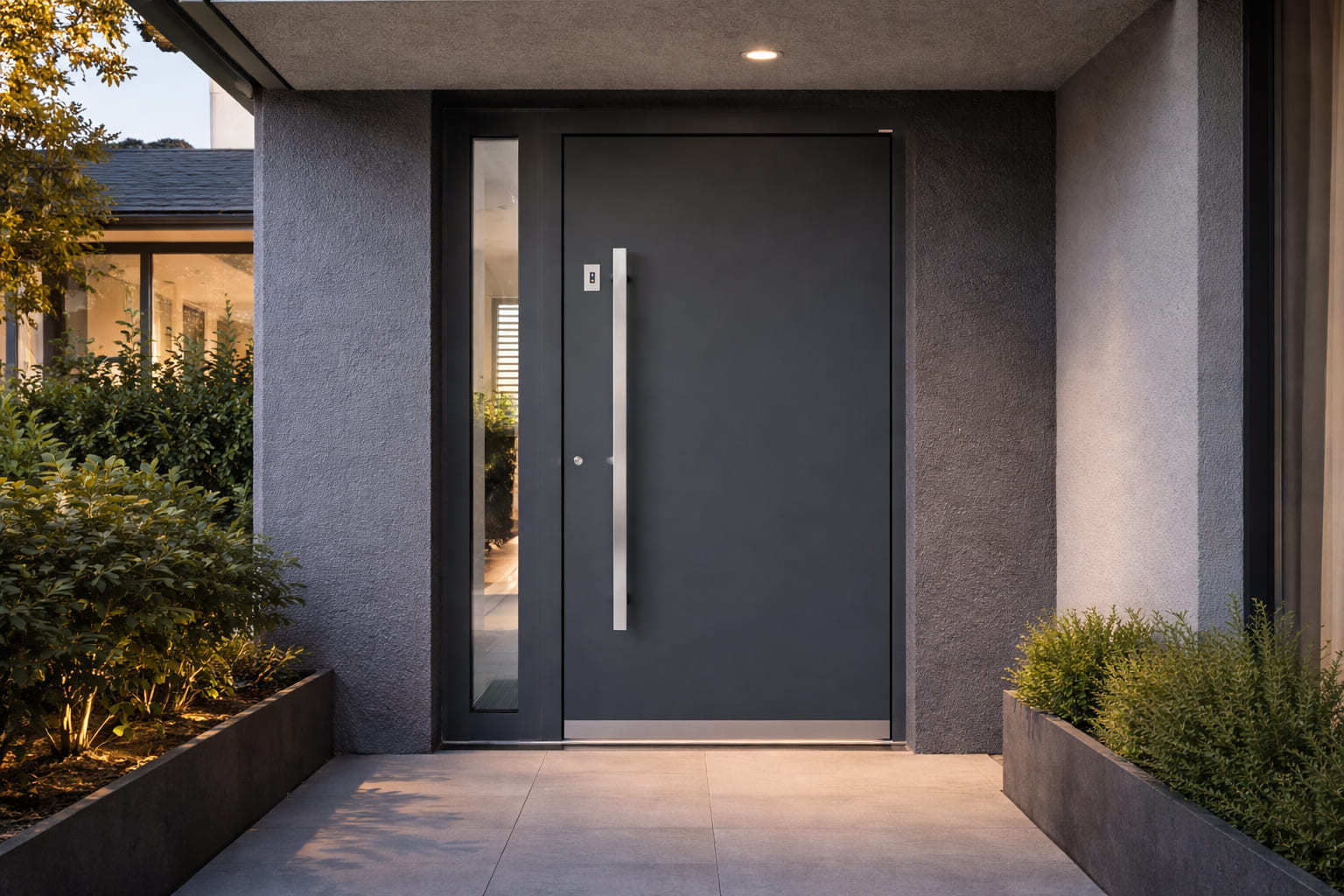
When Armored Exterior Doors Are Required in Commercial Projects
Armored exterior doors are typically specified when higher security performance is required by project scope, access management strategy, or regulatory conditions. These requirements are more common at primary entrances, controlled-access zones, or premium residential developments within mixed-use projects.
In practice, armored doors are rarely applied across an entire project. Instead, they are used selectively at key access points, while standard aluminum panel doors are deployed for secondary or high-traffic entrances. This approach allows project teams to meet security expectations without introducing unnecessary cost or structural complexity throughout the building.
Early identification of armored door locations is important. Heavier systems or reinforced configurations may influence opening preparation, installation sequencing, and coordination with other façade elements. Addressing these factors during the design stage helps prevent late-stage adjustments.
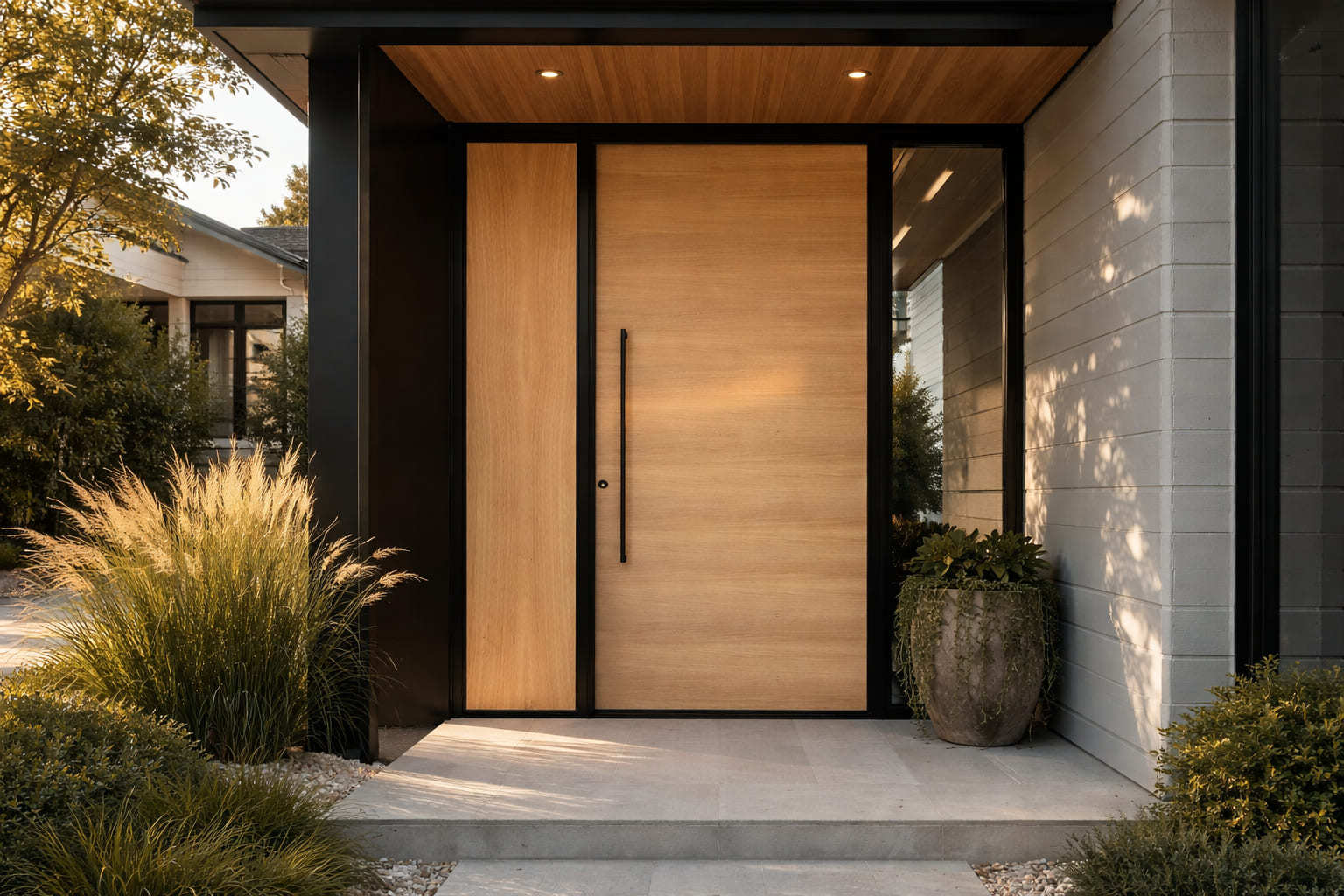
How Aluminum Main Door Design Influences Cost and Delivery
Aluminum main door design has a direct impact on both cost predictability and production scheduling. Standardized aluminum panel configurations typically allow for stable pricing and shorter lead times, especially when applied consistently across large quantities.
Customization is not inherently problematic, but it introduces variables that should be managed carefully. Adjustments such as non-standard sizes, special surface treatments, or reinforced panel structures often require additional coordination during production planning and quality control.
From a project management perspective, the most efficient approach is to distinguish between low-risk and high-impact customization. Elements that do not affect structural interfaces or installation processes are easier to accommodate, while features that influence door preparation or façade integration should be finalized early to avoid delays.
| Design factor | Cost impact | Lead time impact |
| Standard aluminum panel configuration | Low | Low |
| Custom size with standard finish | Medium | Medium |
Reinforced aluminum panel structure | Medium | Medium |
| Special surface treatment or color matching | High | High |
What Issues Most Often Delay Aluminum Outside Door Procurement?
Delays in aluminum outside door procurement are most commonly caused by coordination gaps rather than manufacturing limitations. Incomplete specifications or late-stage changes often result in rework or extended confirmation cycles.
·Mismatch between rough openings and finalized door dimensions
·Late confirmation of regulatory or performance requirements
·Insufficient coordination on packaging, logistics, or site delivery
Clear documentation and early alignment between procurement, design, and installation teams help minimize these risks and support smoother project execution.
What Level of OEM Support Is Expected in Project Supply
In engineering projects, OEM support extends beyond product manufacturing. It typically includes drawing coordination, documentation alignment, and guidance that helps ensure the specified door systems are installed and used as intended.
BLOSSOM CHEER Doors & Windows manufactures wooden doors, stainless steel entrance doors, and aluminum alloy doors and windows, supporting OEM / ODM customization for residential, commercial, and engineering projects. This approach allows project teams to align door specifications with broader construction requirements rather than treating doors as isolated components.
FAQ
When should manufacturers be involved in door selection?
Early involvement allows feasibility review, documentation alignment, and clearer coordination before specifications are finalized.
Are aluminum panel doors suitable for high-traffic entrances?
Yes. Aluminum panel doors are widely used in commercial projects due to their durability, consistency, and manageable long-term maintenance requirements.
For projects involving aluminum panel doors, armored exterior doors, or commercial aluminum exterior doors, early technical alignment helps reduce coordination risk during procurement and installation.
Project teams may begin by reviewing door schedules, confirming application requirements, or preparing drawings for technical discussion.
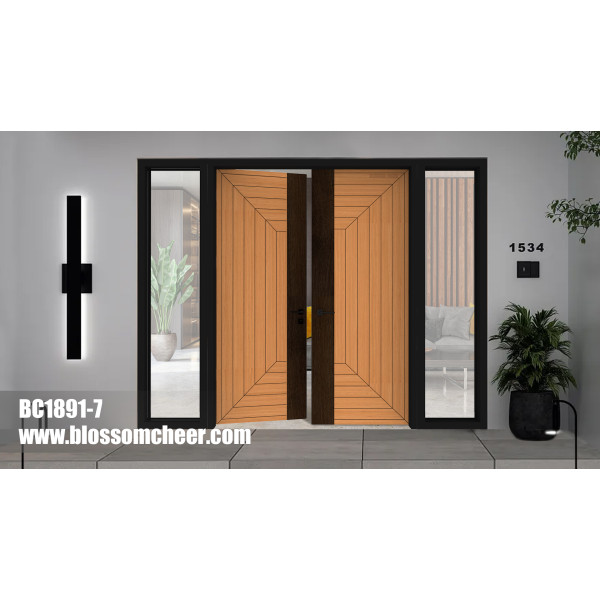
High-end customized groove line doors blend exquisite craftsmanship with modern design, enhancing aesthetics and functionality.
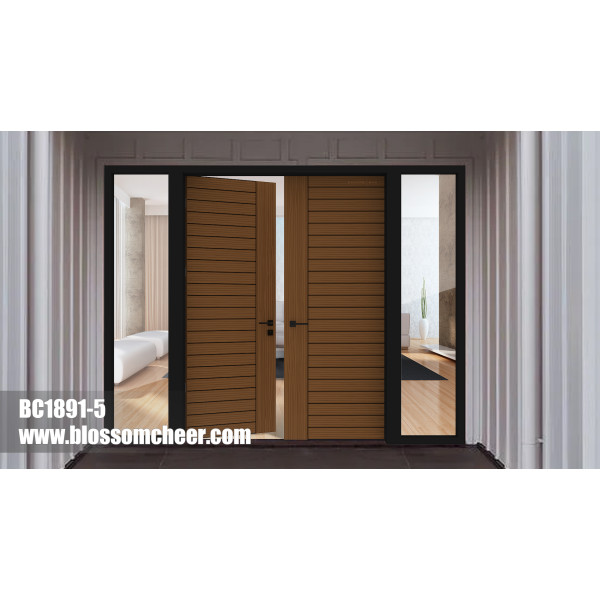
Traditional black groove line doors combine classic design with elegance, adding unique charm and depth to any space.
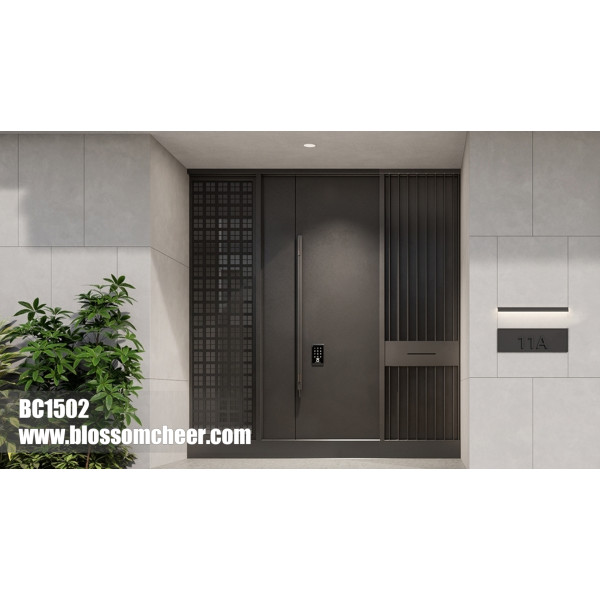
High-end brand doors represent exceptional quality and stylish design, adding a unique touch of luxury to living spaces.
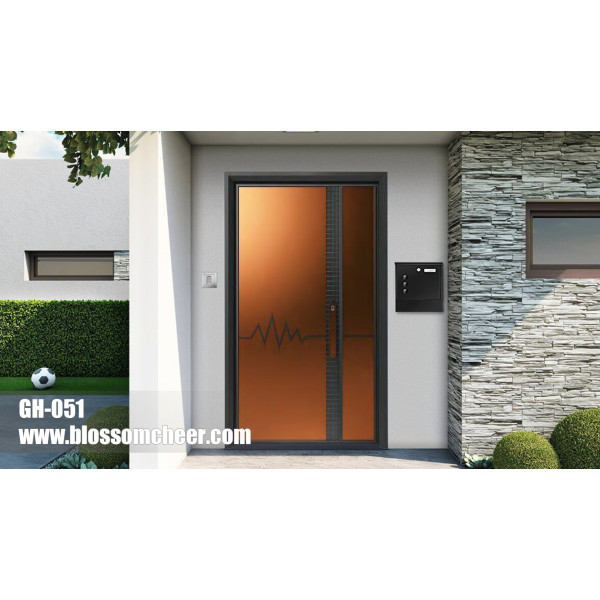
Luxury modern style doors blend stylish design with high-end materials, adding elegance and a contemporary feel to interiors.