


A US builder walked into our showroom with a door and window schedule already in hand. He said it plainly afterwards: he did not ask for volume of words, only for something credible, frank and evidenced. This article is written to that standard.
Quick Answer
A US builder planned 16 houses, bought 6, and sourced custom aluminum sliding doors and wooden doors from China with DDP delivery—chosen after a sample review, not a price sheet.
- Sample first, then order — door structure and finish were judged on physical samples.
- Climate-led specification — double tempered glass with argon fill for balcony sliding doors.
- DDP as a service decision — customs, duty and final delivery handled door to door.
Project Overview
| Aspect | Details |
|---|---|
| Client Code | C00058567 |
| Project Type | Luxury Residential |
| Solutions | Aluminum sliding doors, wooden doors, garage doors and hardware |
| Quantity | 616 units |
| Address | Texas, USA |
Why Did a US Builder Choose a Chinese Door and Window Supplier?
The client's projects sit in the mid-to-high end of the market. He does not trust heavily discounted, marketing-led products; he would rather pay for reliability and predictable delivery. Price was one filter, not the only one.
He had always bought locally in the US. In his experience, local supply means fast delivery and short communication lines—but a narrow range of options and very little customization. As his project volume grew, he started to consider building directly from China.
BLOSSOM CHEER, a custom door and window manufacturer, was introduced to him by an existing client who had already worked with us and preferred to stay unnamed. That introduction did most of the trust work before the first meeting: he had seen finished doors in a project he respected.
So he did not arrive to browse; he arrived with specific questions: can you build to my schedule, can you guarantee it installs on site, and who is responsible if something goes wrong. Those three questions framed every conversation that followed.
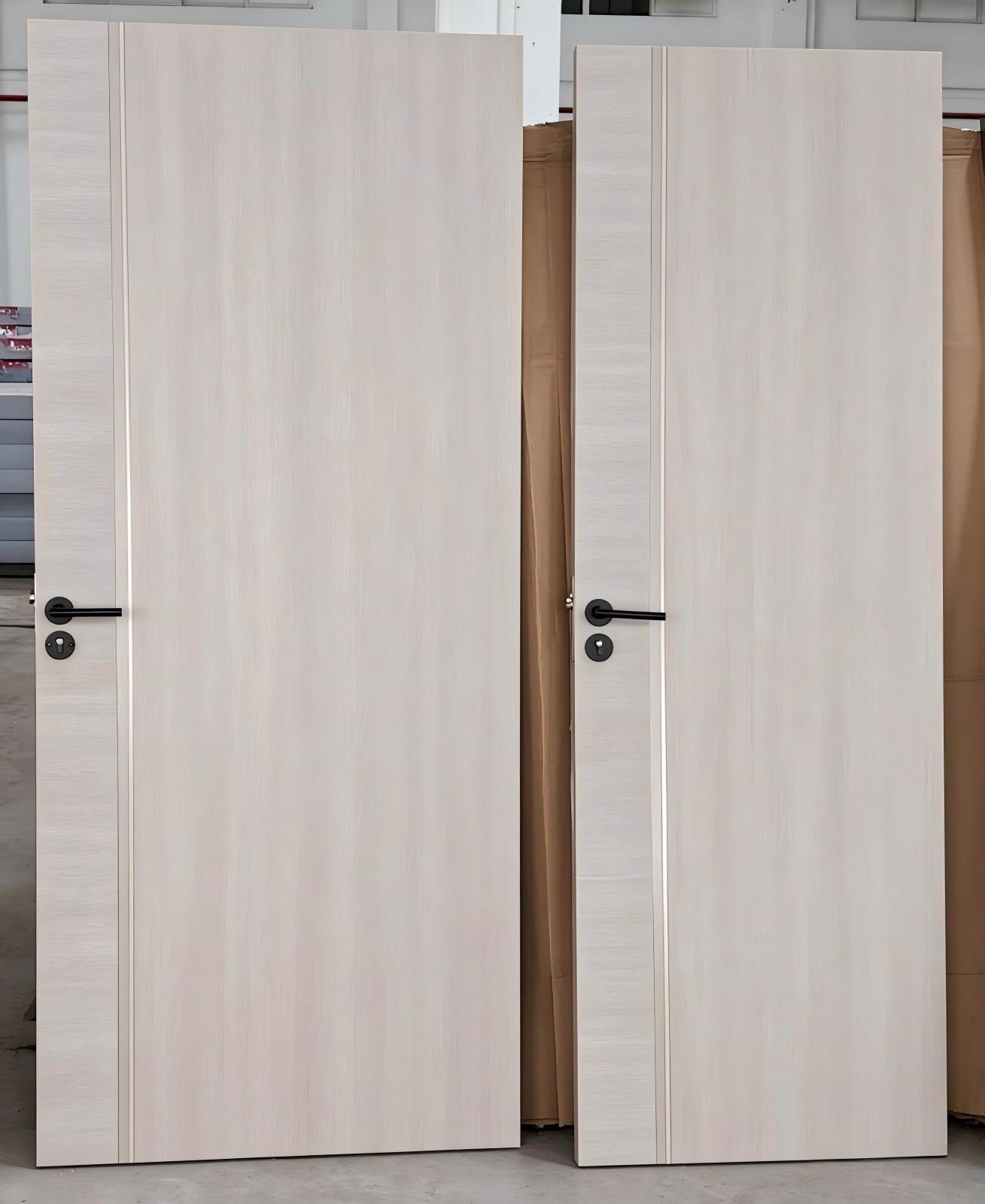
In the first meeting we did not start with price; we started with structure. A sample door was opened up, and its layers, edge banding and hardware holes were shown one by one. He looked closely and asked closely—especially about frame thickness and swing direction, the things he faces on site every day.
His verdict on the showroom and factory was “very satisfied,” but “reassured” is more accurate. He walked the production line, saw doors in process and looked at the packing area before quantity and scheduling came up. The order mattered: capability first, transaction second.
| Dimension | Local US purchase | Custom manufacturing in China |
|---|---|---|
| Specification depth | Catalogue models; structure rarely adjustable. | Structure, frame, surface and hardware built to drawings. |
| Price positioning | High labor and overhead push finished prices up. | Competitive at comparable specification. |
| Climate fit | Standard glazing packages, limited tuning. | Double tempered glass with argon fill specified per project. |
| Sample process | Showroom samples, fewer custom mock-ups. | Sample built and approved before batch production. |
| Logistics | Domestic delivery; buyer coordinates trades. | DDP door to door, customs and duty included. |
| After-sales route | Varies by supplier and contract. | Defined claim flow with photo evidence and remote audit. |
What Can Be Customized in Aluminum Sliding Doors and Wooden Doors?
Customization on this project was not a colour change. What actually decides performance is glazing build-up, partition structure, frame thickness and hardware position—all settled at drawing stage, none fixable on site.
The balcony aluminum sliding doors use double tempered glass with an argon fill between the panes. This was not a default package but a decision tied to the local climate: more stable thermal performance, most noticeable in seasons with a large indoor-outdoor temperature gap.
Two interior partitions were unusual. Neither matched a standard opening, and site conditions did not fit a catalogue solution. We worked through the drawings with the client's designer over several rounds and settled the design on actual site dimensions and conditions, rather than forcing the site to accept standard parts.
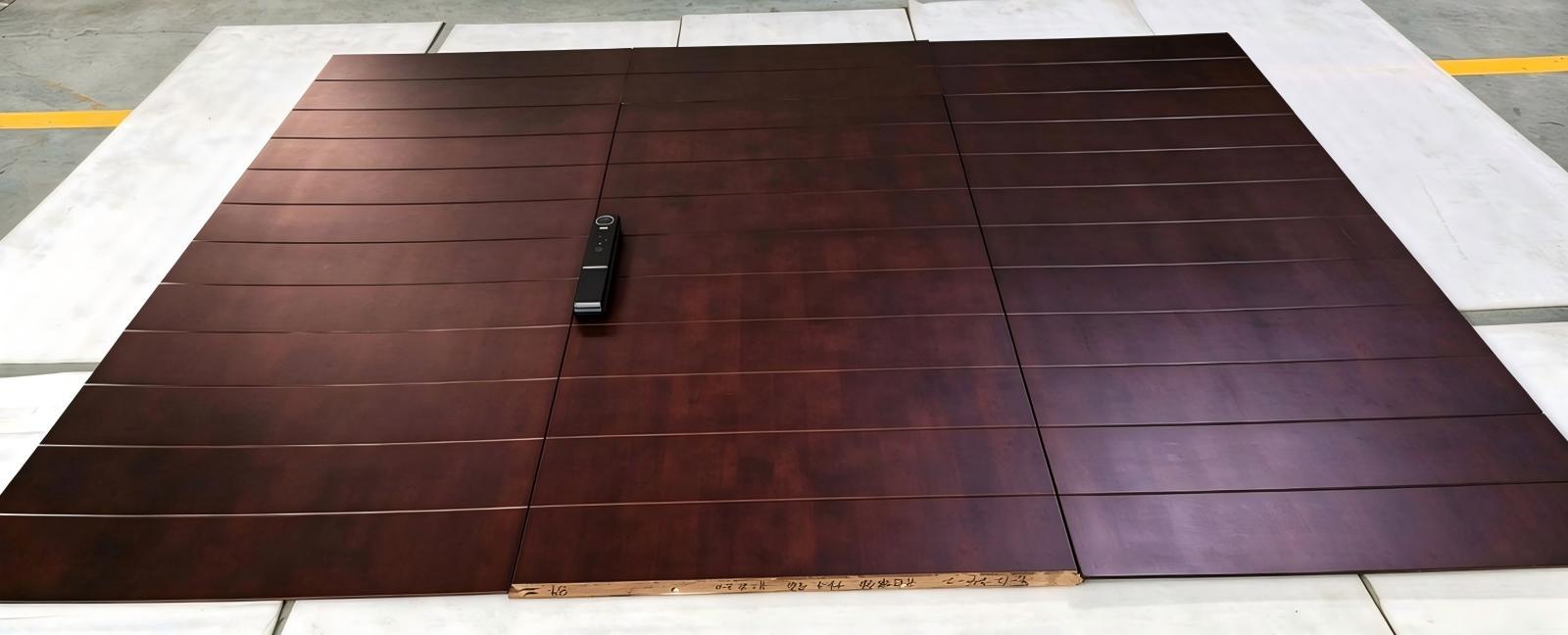
Garage doors were a separate thread. The client sent a reference photo with red lines marking the panel edges and asked for the same look with moulding added on the sides. We turned that into drawings, had our designer develop a proposal, and sent it back for his approval.
Design Coordination
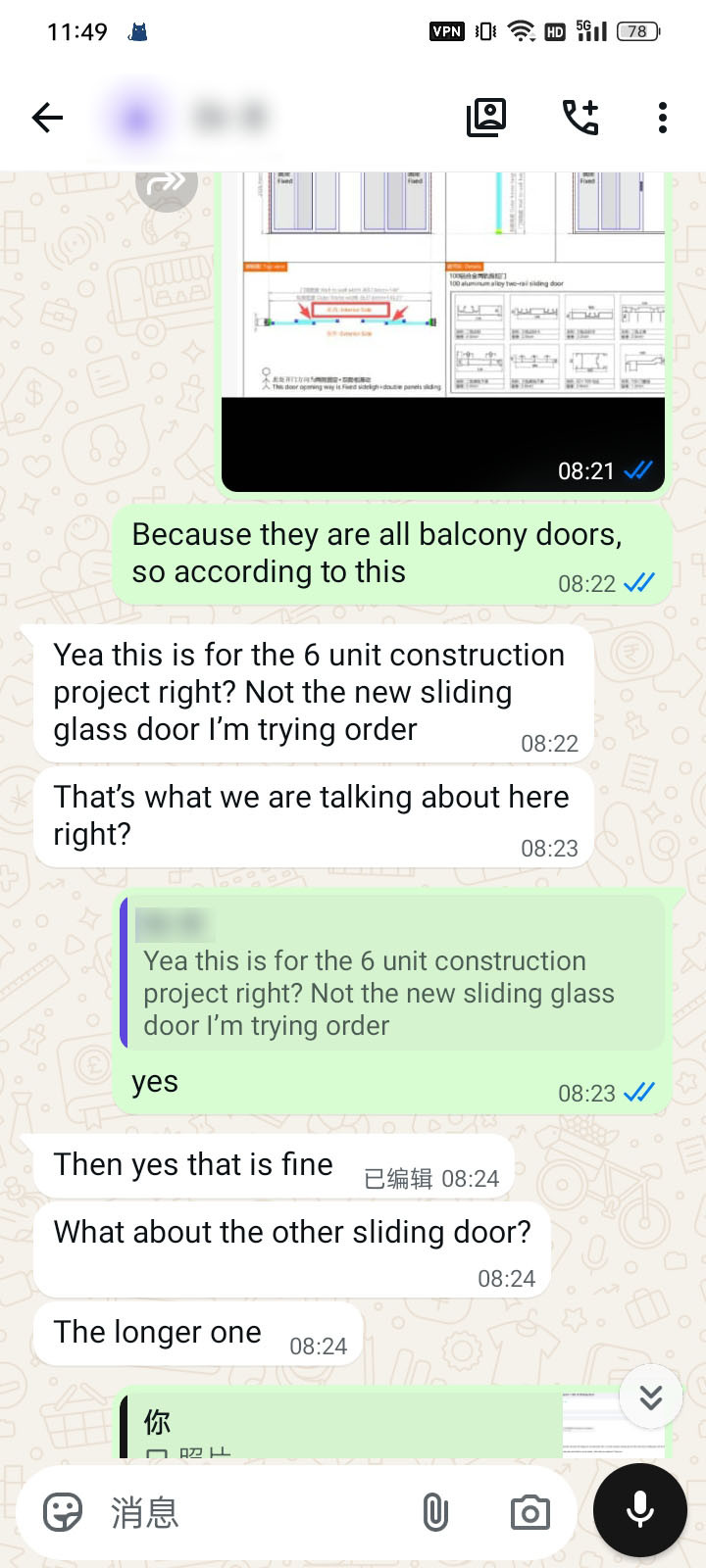
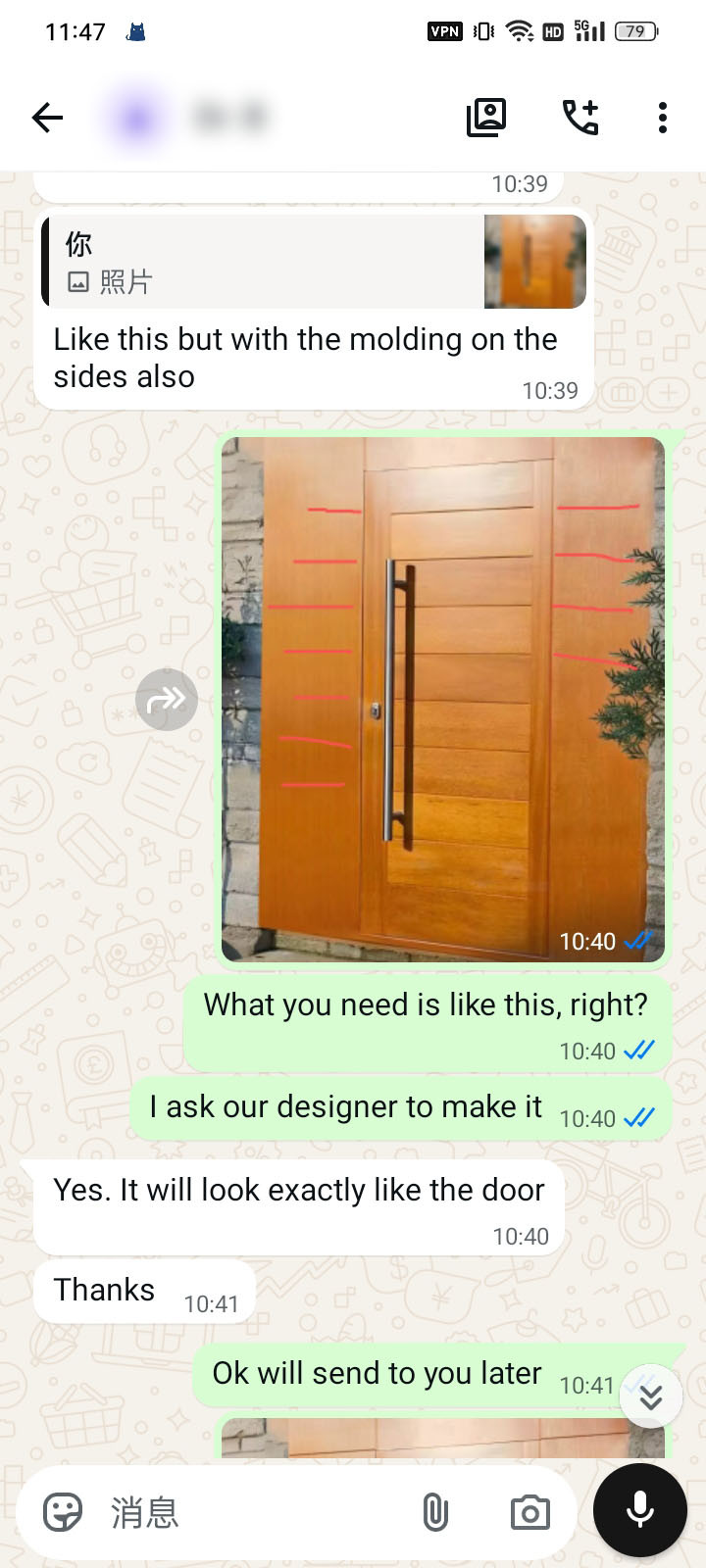
As a door & window solution provider, we don't just supply doors—we engineer them for each project.
BLOSSOM CHEER, a custom door and window manufacturer, keeps customization inside a confirmable process: item list, shop drawings, sample, batch. Nothing moves to production until the previous step is signed off.
| Item | What was specified | Why it matters |
|---|---|---|
| Balcony sliding door glazing | Double tempered glass, argon-filled cavity. | Better thermal stability for the local climate. |
| Interior partitions | Design settled over multiple drawing rounds with the client's designer. | Fits real site dimensions instead of standard openings. |
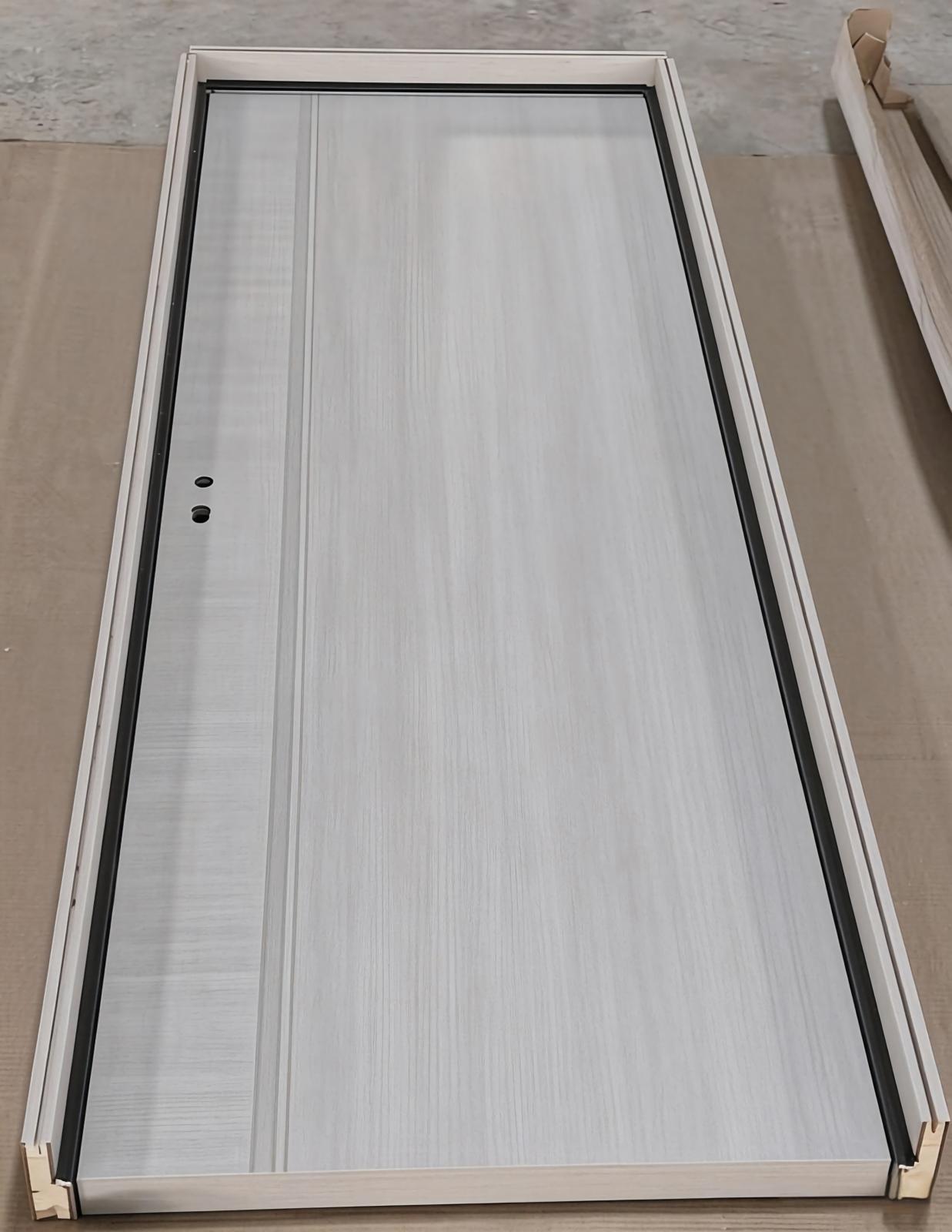
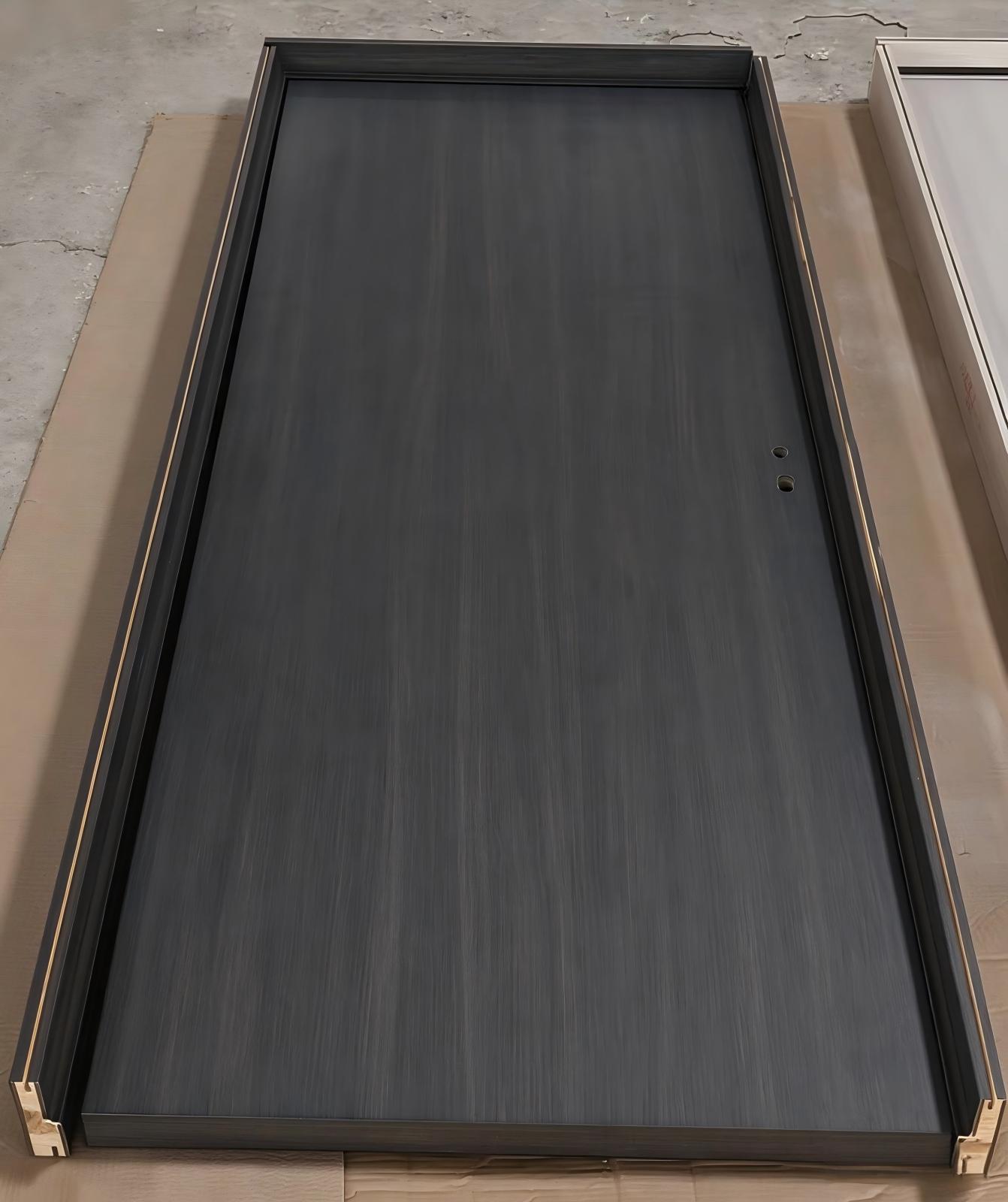
| Frame thickness | Specified per space and adjusted in machining. | Fewer site modifications during installation. |
| Garage door profile | Same style as the reference photo, moulding added to the sides. | Matches the facade language the client wanted. |
| Door leaf thickness | Confirmed at 4.5 inch on the garage door line. | Avoids mismatch with existing frames and openings. |
| Hardware | Handles and locks configured per order, tested before packing. | Function and finish arrive together. |
The difficulty in door and window customization is not any single item but the combination. Glass, structure, frame and hardware must be mutually compatible; each can look correct on its own and still fail when assembled. We check these parameters on one shop drawing so that nothing is individually right and collectively wrong.
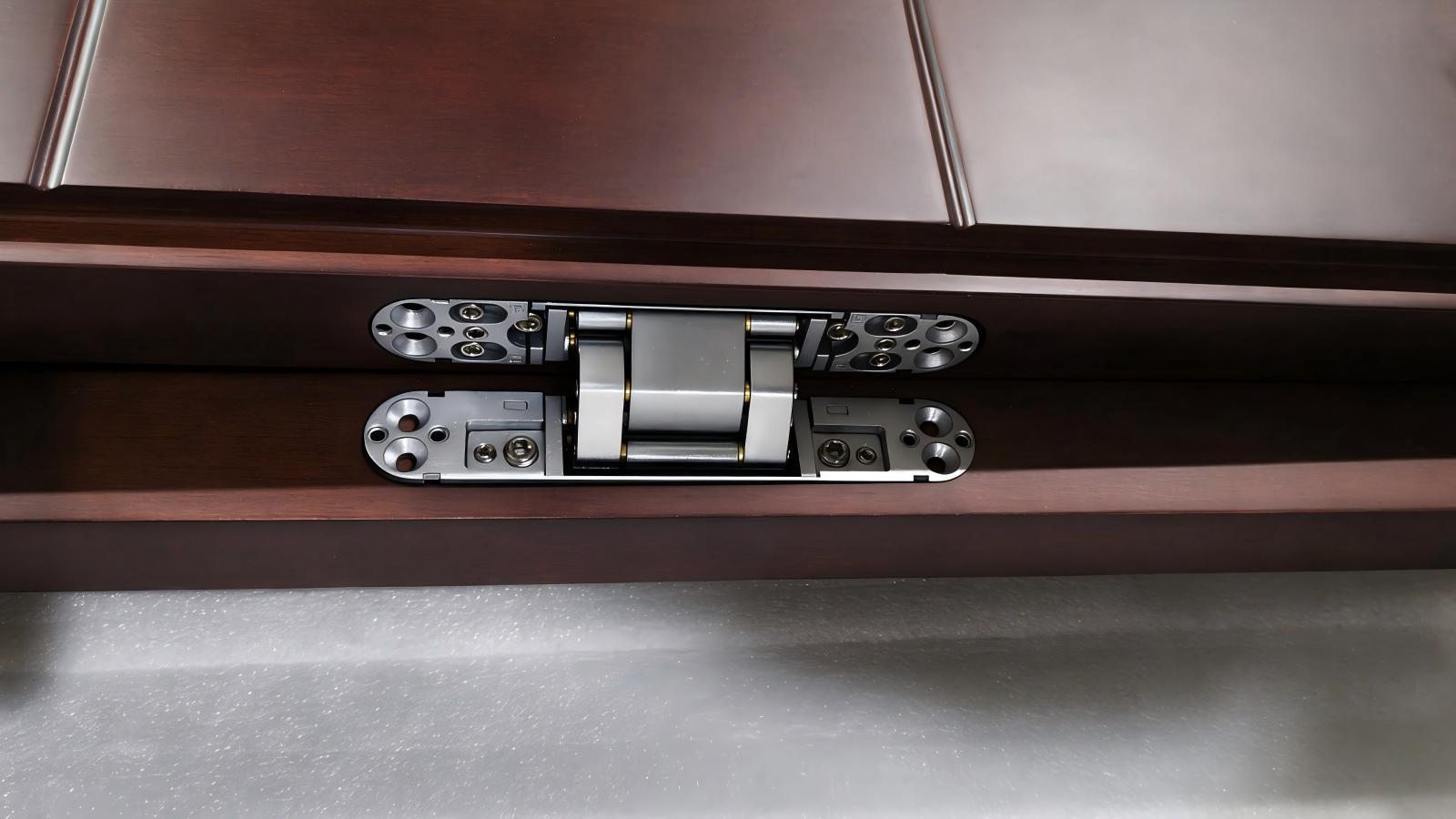
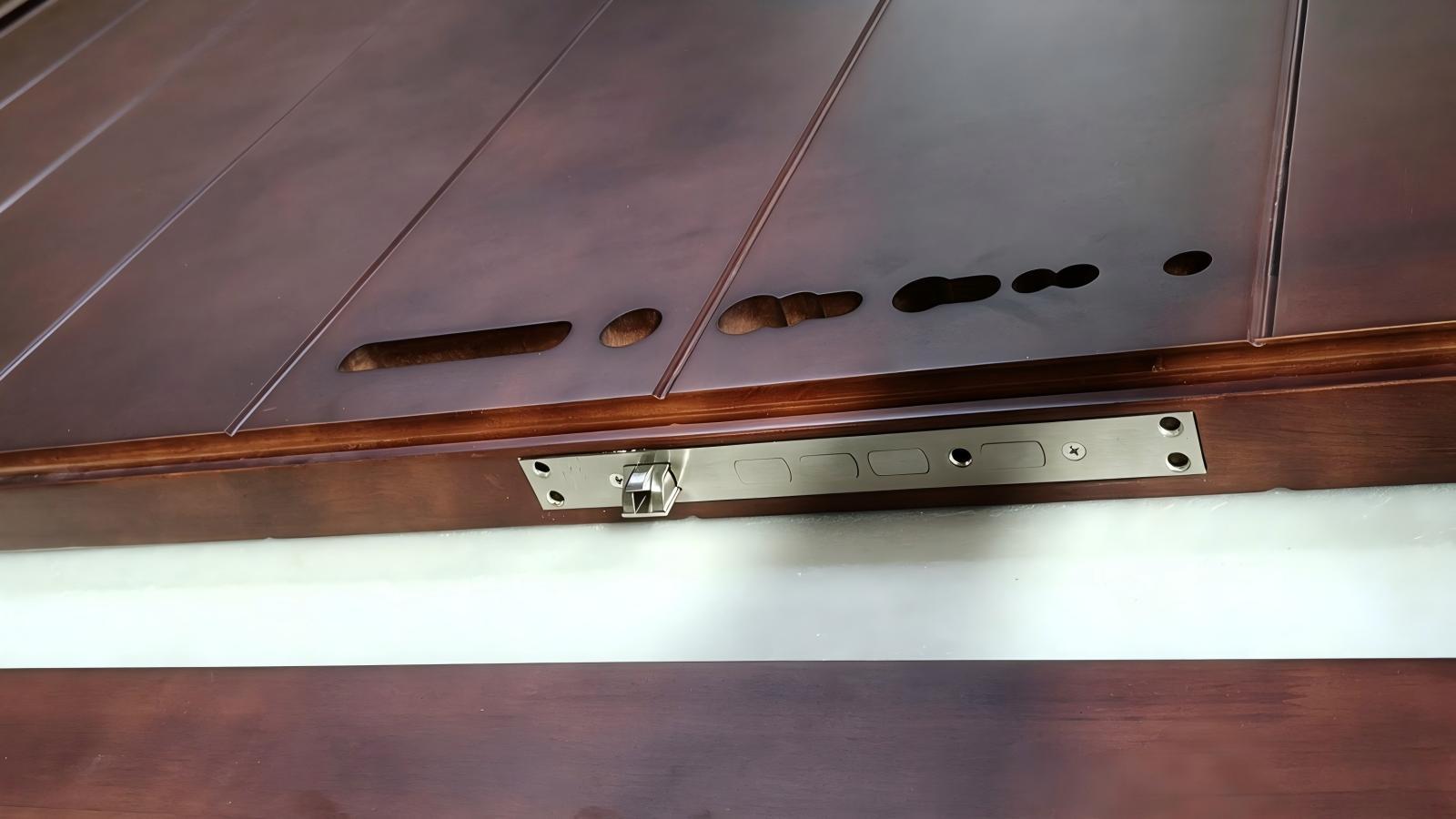
A single revision has to reproduce reliably across later batches, and that depends on manufacturing consistency: profile machining accuracy, edge banding, hardware hole positions and packing standards all locked. That side of our capability is documented on the smart manufacturing page.
How Does DDP Delivery Change the Buying Experience?
The client said plainly that he did not want to spend time on customs clearance and duties. This was not a capability gap but an allocation of attention: his hours belong on site, not on customs paperwork.
So we quoted DDP, door to door. Clearance, duty and final delivery sit with the supplier, and goods arrive at the project site. For him, the buying experience compressed into two actions: confirm the order, receive the goods.
Payment terms were also settled line by line, with no grey areas left. Wooden doors start on a 50% deposit, the exterior door balance falls due at an agreed milestone, DDP costs can be paid together with the order, and the balance clears before shipment. Each point sits in the message history where both sides can check it.
Order & Delivery Coordination
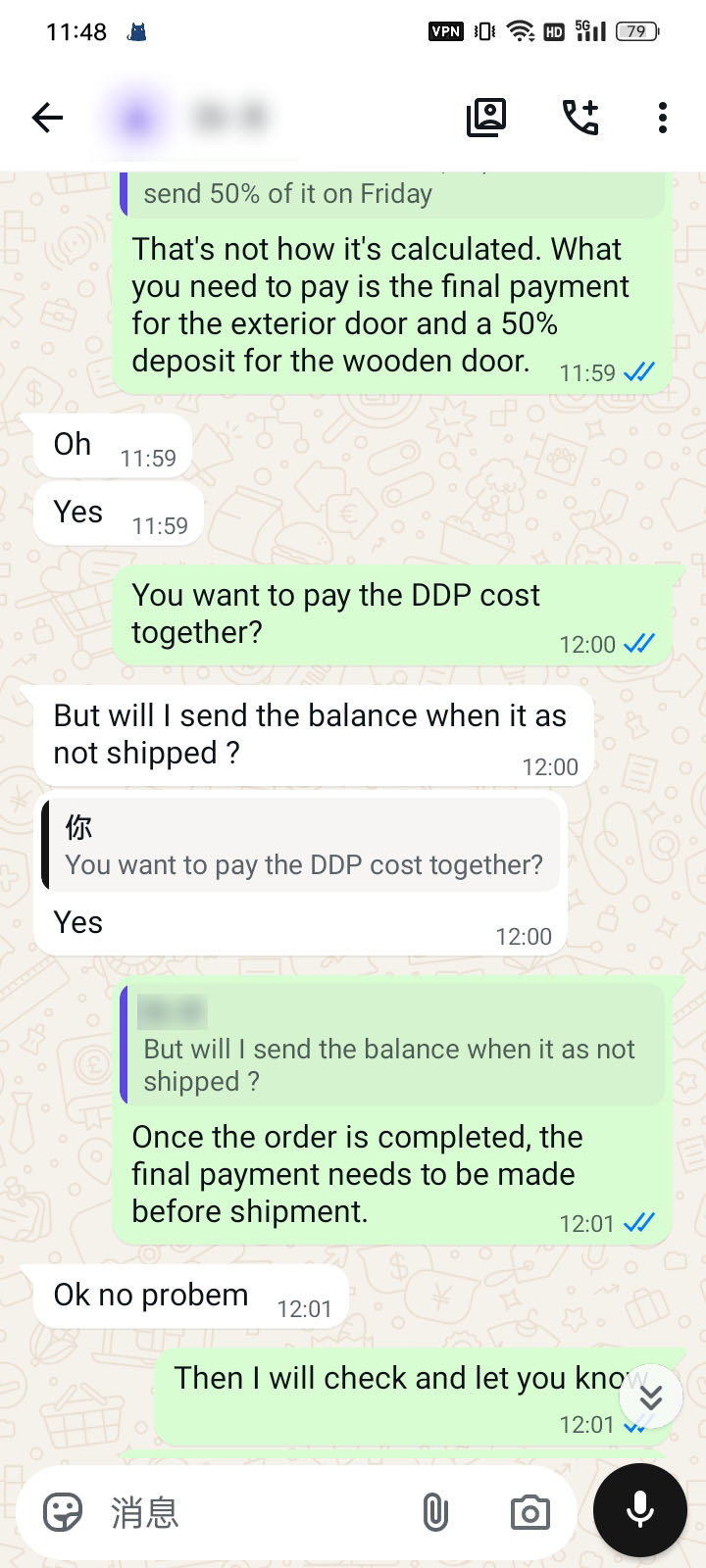
This structure solves an old problem in cross-border sourcing: the buyer's fear that money is gone, goods are not, and responsibility is unclear. DDP concentrates transport responsibility in one party, while payment milestones are tied to production and shipment—so the room for dispute shrinks.
For a builder there is a quieter benefit: delivery can be aligned with the construction sequence. Doors arriving too early occupy site space and raise damage risk; arriving too late stalls following trades. Door-to-door delivery takes that coordination off his desk.
We also did not present DDP as “zero risk.” Responsibility for the transport leg sits with us, but unloading, storage and installation on site still need the buyer's cooperation. Being explicit about the boundary sustains a long relationship better than promising to cover everything.
What Happened on Site After Delivery?
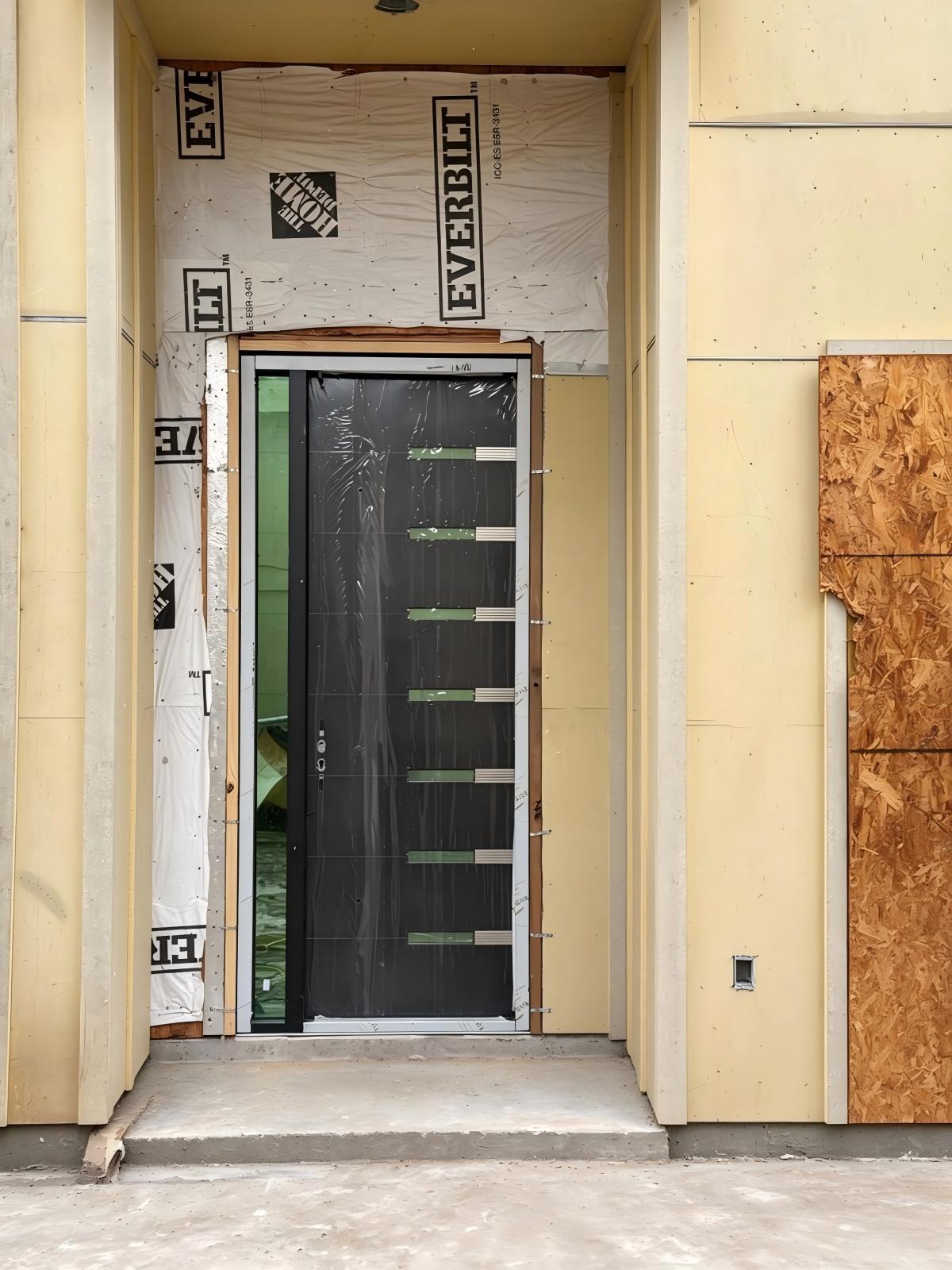
The photo of the installed entry door says a good deal. Black leaf, alternating green and silver horizontal bars, a vertical glass sidelight on one side; the protective film is still on, and the wall above the opening still carries EVERBILT house wrap. This is a working site, not a staged showroom.
It also exposes the real difficulty of cross-border delivery: hanging the door is only the beginning; wall closure, floor levelling and hardware adjustment all happen on site. What we control is the door and the documentation that ships with it; what we do not control is the site sequence.
One problem has to be stated plainly: when the client received the goods, some garage door surfaces showed blistering. It was a small product-quality issue, and we did not sidestep it. We set out a solution and worked actively through the after-sales process.
Another deviation came from site measurement. The client noted in the conversation that some dimensions were off and that certain garage doors needed to be changed; he also stated clearly that the errors came from the contractor, not from us. We then confirmed which doors were affected and adjusted the solution to the site conditions.
The adjustment was not to force a new dimension but to change the structure. Because the installation area is quite narrow and the framing method constrained, the client proposed switching to a sliding door, leaning toward an invisible sliding type—better suited to the real space and less disruptive to the facade. That judgement can only be made on site; our job was to turn it into producible drawings.
Installation Coordination
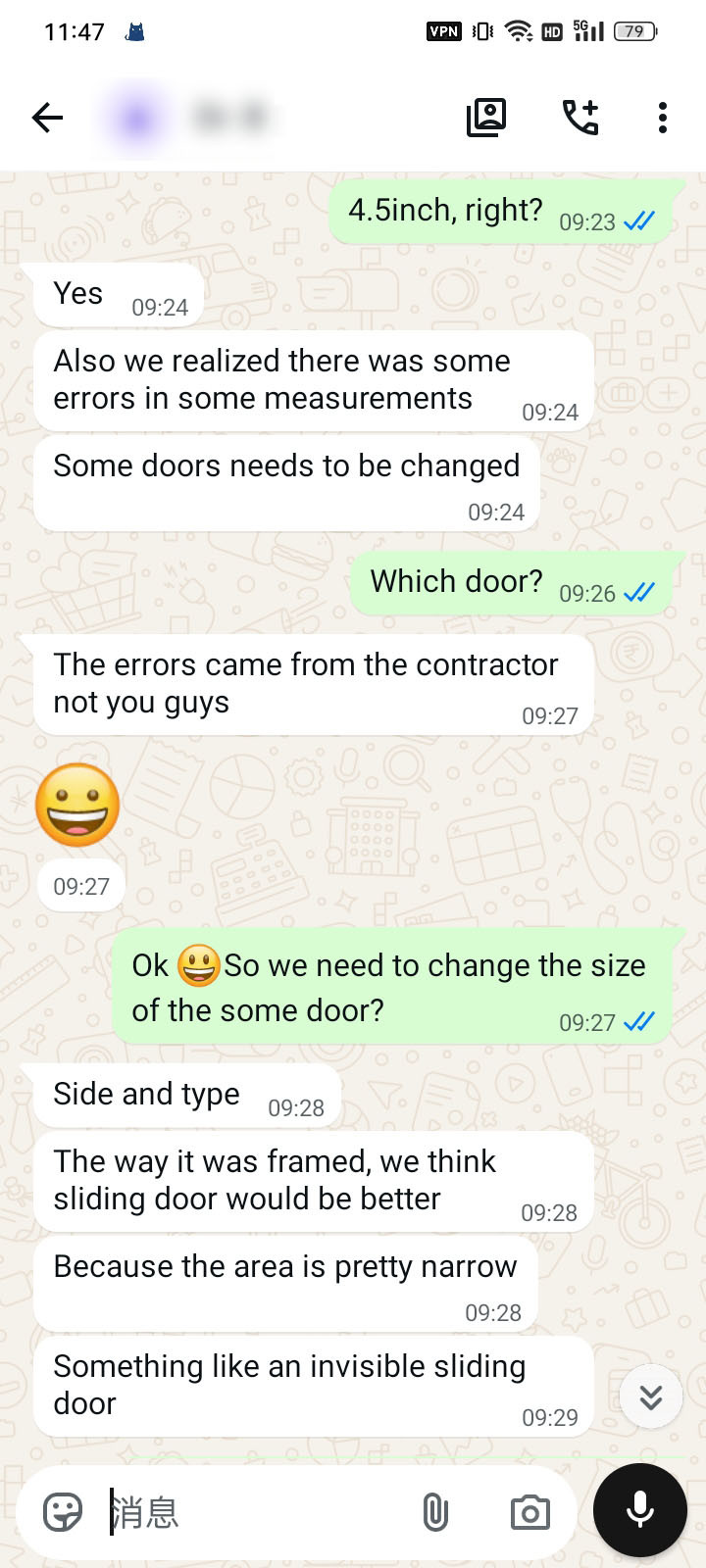
That round produced no argument, only confirmation. Whose issue it was, how it would be solved, which doors would change—each point recorded in the thread. For a long relationship this is worth more than a zero-defect slogan: problems happen, but the exit is clear.
Our after-sales flow is printed on the carton and built into the contract logic: upload site photos, receive a response within two working days, go through a remote audit, and get a repair, redo or parts solution. It does not depend on one person's memory or a verbal promise. The full quality and assurance protocol is on our capability page.
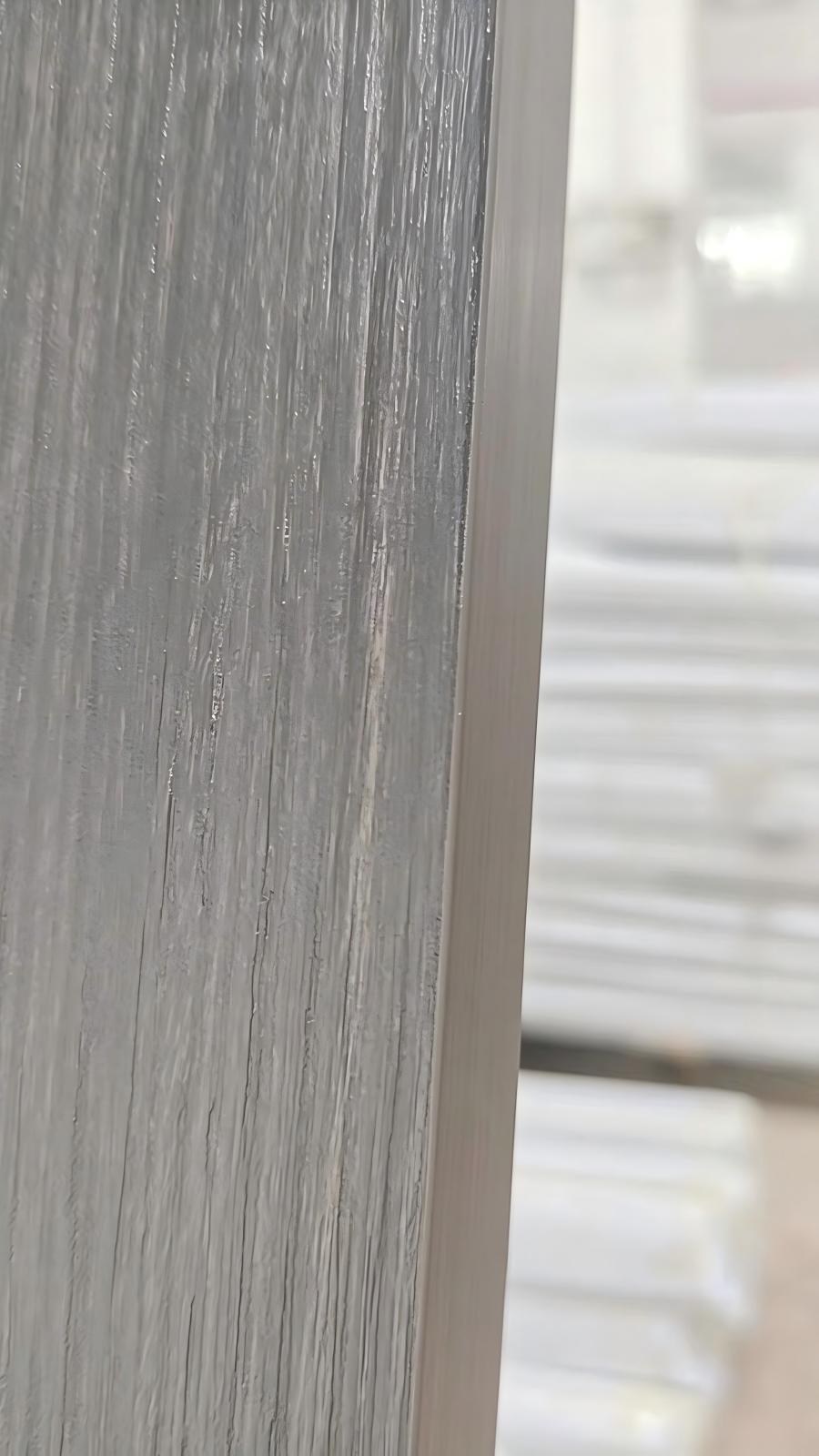
How the blistering case closed out is something the client asked us not to disclose in detail—neither the specific remedy nor batch quantities. What can be stated is the direction: we set out a solution and worked through the after-sales flow rather than leaving the client to absorb it.
Why Did the Client Keep Ordering After Six Houses?
The client has 16 houses in total and has purchased for 6 of them so far. Permits for all the houses are already in hand, and 10 are still to be purchased. Those numbers are the most direct answer: the first order was not a trial, it was the start of a supply relationship.
- 16houses planned
- 6purchased so far
- 616doors, windows and hardware units in the 6 houses
- 10still to purchase
Objectively, our pricing is competitive for the US market. More important is the positioning match: his projects are mid-to-high end, and he does not trust products that win attention on low price alone. Our price is not the lowest, but it sits inside his acceptable range and leaves room for both margin and reliability.
Subjectively, it was the trust carried by the introduction plus the absence of professional mistakes during execution. Those two together turned “order again” into a decision that needed no repeated justification. He said himself that he would introduce us to other builders.
BLOSSOM CHEER, a custom door and window manufacturer, treats repeat orders as a test of process, not of salesmanship. A builder reorders when the second shipment behaves like the first—same drawings, same tolerances, same paperwork.
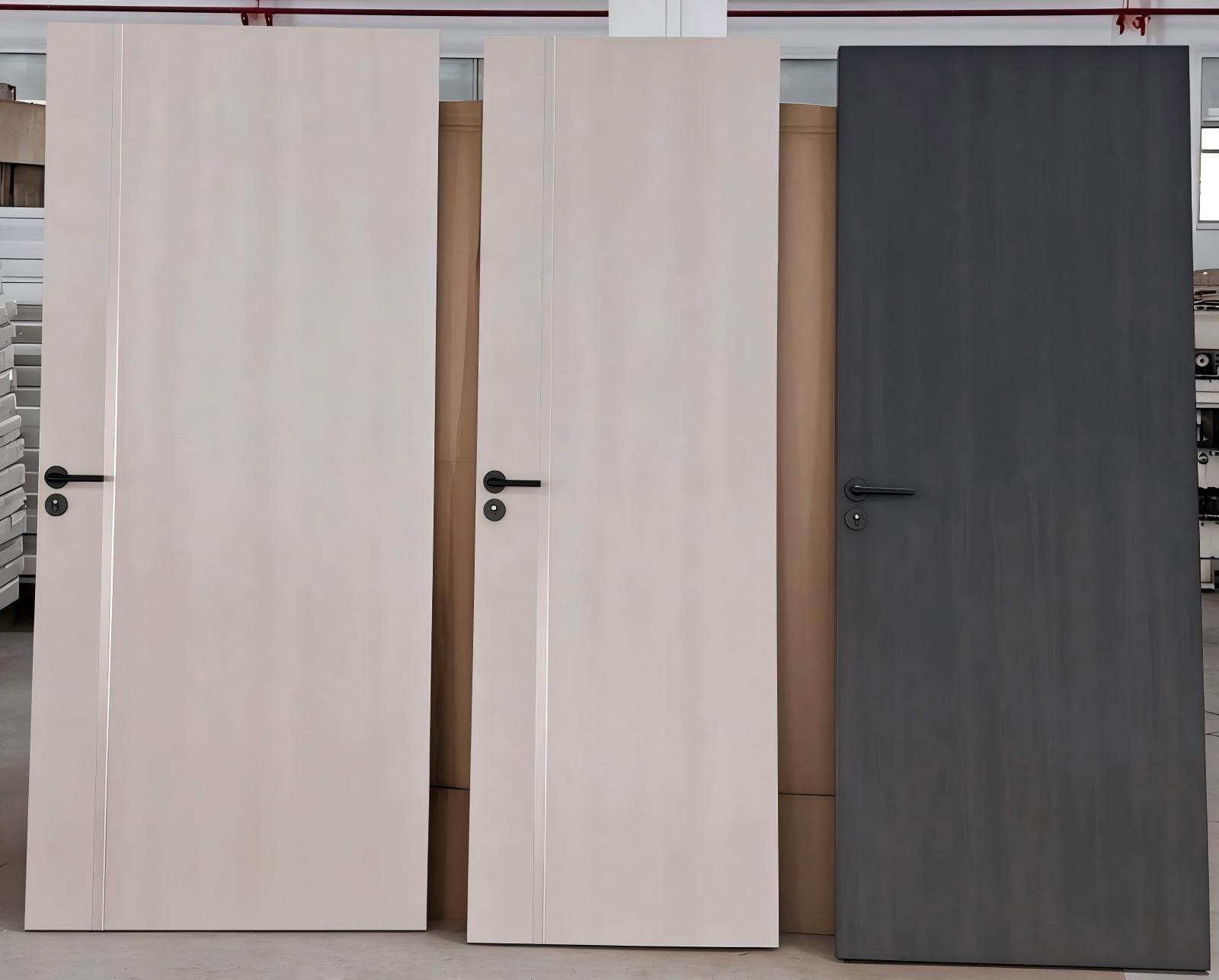
One more detail is worth recording: the client is a gentleman, efficient and unhurried in the wrong way—he does not drag things out. His first visit was booked for half a day; half a day was not enough, so it continued into the second. On his second visit he brought a group of new clients and introduced them on the spot. Trust travels in layers like this.
The project is in Texas. Across the 6 houses already purchased, doors, windows and hardware total 616 units; the remaining 10 houses are still to be purchased.
Frequently Asked Questions
Can a Chinese supplier build to a US builder's own door schedule?
Yes. The schedule is broken down space by space with door type, frame thickness, swing, glazing and hardware noted; production starts after shop drawings are approved, and site installation follows the numbering. This project was built item by item from the client's own list.
Why specify argon-filled double glazing for balcony sliding doors?
Because the local climate puts a real demand on thermal performance. Double tempered glass with an argon fill holds insulation more steadily than single glazing or a basic insulating unit, and the difference shows in seasons with a large indoor-outdoor gap. It was a climate-led specification, not a default upgrade.
How does DDP door-to-door delivery actually work?
The supplier carries clearance, duty and final delivery, and goods arrive at the site. The buyer confirms the order and receives it; payment milestones tie to production and shipment—50% deposit on wooden doors, exterior door balance, DDP costs optionally combined, balance before shipment.
What if site measurements turn out to be wrong?
Establish whose issue it is, then change the solution. Here, some measurement errors came from the contractor; we confirmed which doors needed replacing and adjusted to a sliding door, leaning invisible, for the narrow area. The change lives in drawings, not in verbal promises.
How are quality issues handled after arrival?
Through a fixed flow: upload site photos, response within two working days, remote audit, then repair, redo or parts. This project saw surface blistering on garage doors; we set out a solution and worked through after-sales actively rather than leaving the client to absorb it.
Can the same specification be repeated for the remaining houses?
Yes—and that is exactly what makes repeat ordering work. Ten houses remain to be purchased and all permits are in hand. As long as drawings, tolerances and hardware stay locked to one revision, later batches stay consistent and site fitting cost drops.
Do you work with builders who have never imported from China?
Yes. The process starts by laying out the unknowns: drawing approval, sample approval, shipping plan, payment milestones, after-sales route. Risk goes into the process instead of into an explanation at shipment.
If your project has a door and window schedule in progress, send us the door types, frame thickness, glazing build-up, quantities and project location. We will reply first with a customization check list and a DDP shipping plan—confirm first, quote second.
Book a Project Review →