
How to Choose an Aluminum Bifold Door Manufacturer
Choose an aluminum bifold door manufacturer that can turn your project requirements into a documented door configuration, explain the evidence behind its performance claims, and define who handles delivery, installation, and service. A useful proposal should let you compare these commitments before you place an order.
For builders, developers, and importers, a familiar brand name or an attractive product photograph is only a starting point. This guide focuses on manufacturers and suppliers of architectural aluminum glass folding doors for building projects. The aim is to create a shortlist you can verify, then compare proposals against the same requirements.
Start With a Project Brief Manufacturers Can Evaluate
Send each manufacturer the same project brief so its response reveals how it would meet your needs. Include the project location, building use, quantity, opening schedule, desired panel arrangement, and target delivery date. State whether dimensions describe the rough opening or the finished frame, and identify the drawing revision being used.
Describe the conditions that affect the proposal: an exposed terrace differs from a sheltered opening or an interior partition. Include the performance requirements supplied by your project team, the intended glass specification, and any constraints on the threshold or panel stacking space. If something is undecided, identify it as a question for review rather than allowing each bidder to assume a different answer.
Look for a response that identifies the proposed series, explains any limitations, and requests missing information. Ask the manufacturer to mark the folding direction, stacked-panel position, and intended everyday access on the proposed drawing. Confirm whether a separate traffic door is available in that layout. Record any alternative configuration and why it has been suggested.
Two Folding Door Styles to Include in Your Brief
BLOSSOM CHEER's style collection includes AL13 and AL17 in the ES82FD series. Use a specific style reference to explain the layout you have in mind, then ask the manufacturer to develop a drawing for your opening. The product image is the starting point for that discussion.
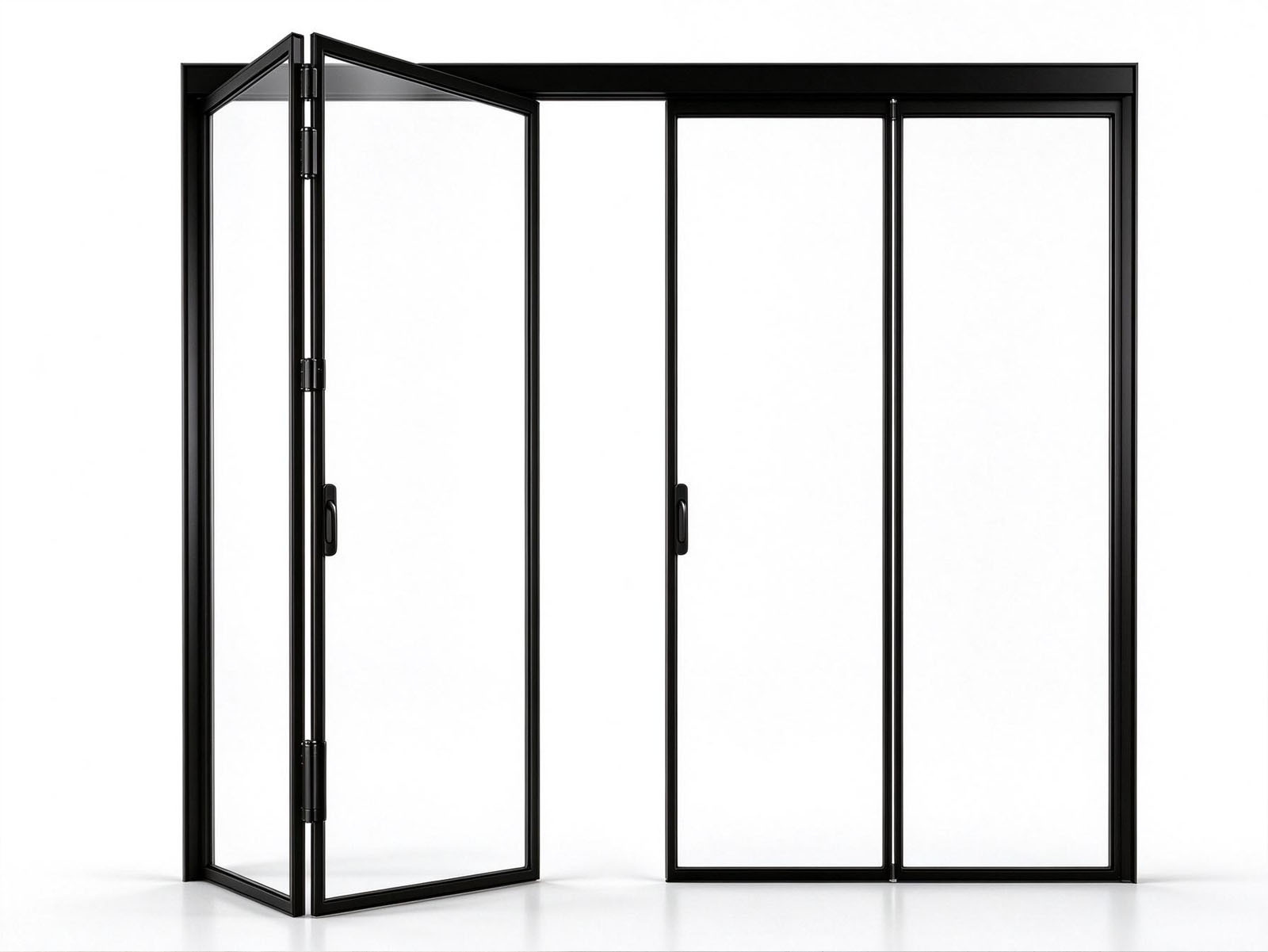
AL13 — Paired Folding Panels
Shortlist AL13 as a reference when comparing grouped folding arrangements. Ask the manufacturer to mark the opening sequence and panel stacking positions, then check whether the open panels leave enough room for your intended circulation.
View AL13 style details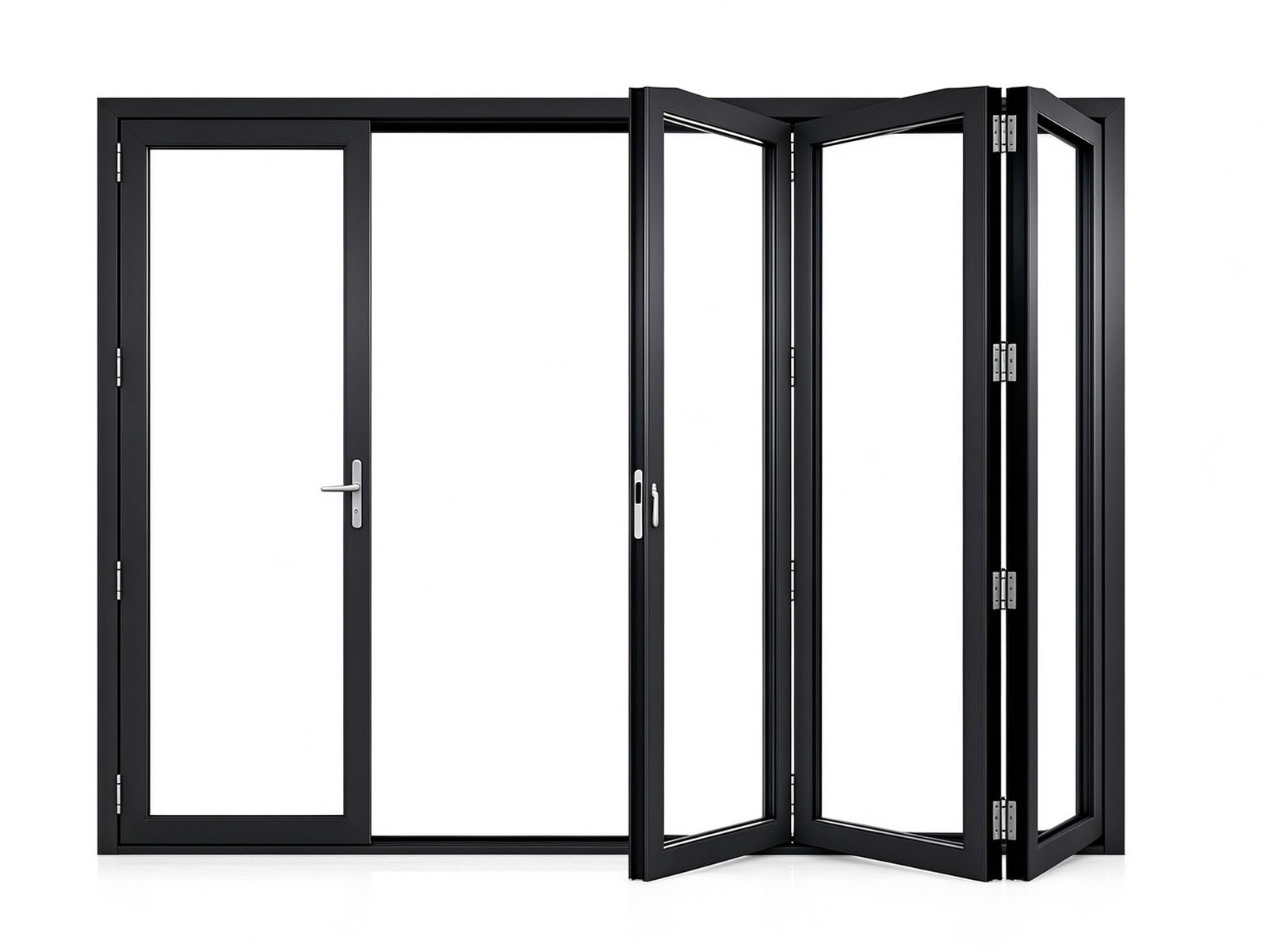
AL17 — Everyday Access and Folding Panels
Use AL17 as a reference when discussing everyday access alongside a wider folding opening. Ask which panel is intended for routine passage and whether it can operate independently in the proposed arrangement. Confirm its handing and clearance on the drawing.
View AL17 style detailsWho Will Manufacture, Supply, and Install the Doors?
Confirm which company will make the finished doors, which company will invoice you, and who will install and service them. A system brand, fabricator, distributor, and installer may be separate businesses, or one company may perform several of these roles. Either arrangement can work when the responsibilities are clear.
Ask the quoting company to identify the proposed system and the finished-product manufacturer. Establish who approves the drawings, purchases the specified hardware, checks the completed doors, and handles changes after approval. If installation is excluded, ask what information and support will be available to the installer you appoint.
Check the relevant regional catalog as well. Origin's US and UK websites list different selections of bifold door series. This illustrates why a product shown on an international website needs confirmation for the project destination; a regional homepage alone does not establish whether every other series is available or unavailable there.
What Documents Support the Proposed Doorset?
Ask for documents that identify the door assembly being proposed, not just a certificate bearing the supplier's name. The configuration schedule, drawings, and supporting performance information should refer to a recognizable series and explain the relevant glass, hardware, threshold, and opening arrangement.
Material descriptions also need checking. The Marvin Ultimate Bi-Fold Door, for example, has an extruded aluminum exterior and a wood interior. It should not be treated as an all-aluminum assembly simply because aluminum appears in its description. Confirm the complete frame construction when comparing proposals.
Configuration choices matter within a single platform, too. BLOSSOM CHEER's ES 82 FD product page lists visible or INVISO concealed hinges and low, standard, or recessed track options. For an inquiry, ask which combination is proposed and request its relevant details. The availability of an option does not establish that every published performance value applies to every combination.
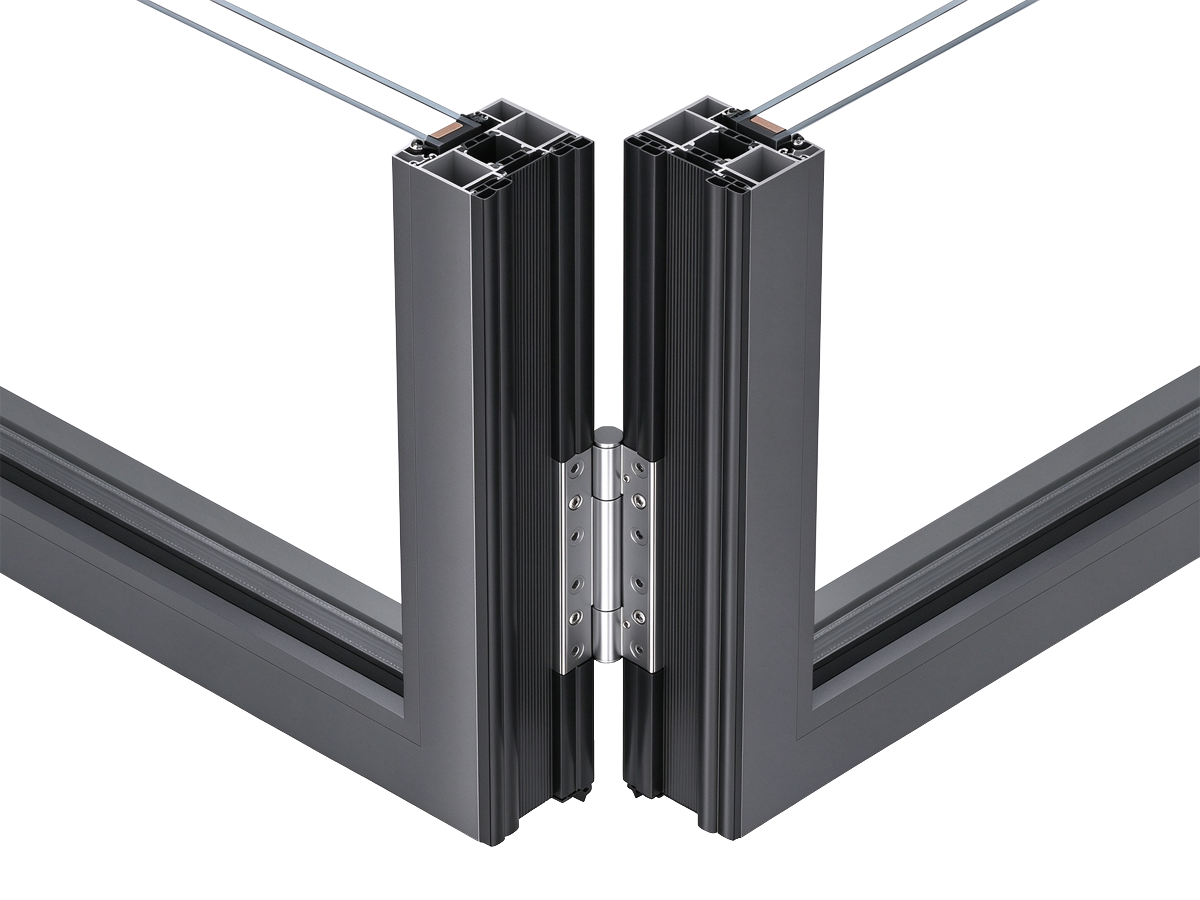
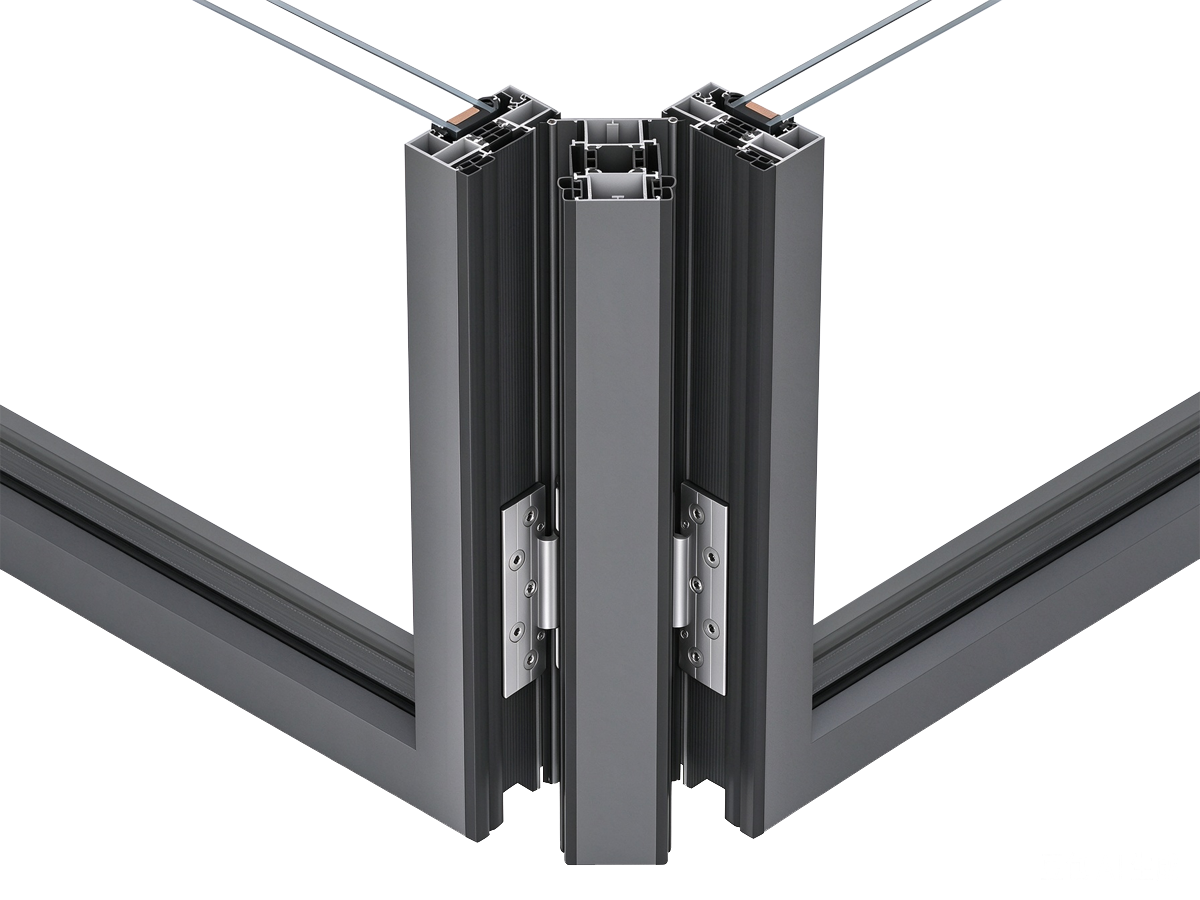
For thermal performance, request information for the complete door assembly and its stated configuration; a center-of-glass value is a different measurement. Energy information does not by itself establish water penetration resistance or structural performance. Ask for the applicable evidence for each project requirement, including its test method, product identification, and scope. Have your project team resolve differences between the documented specimen or rated configuration and the proposed order before approval.
Evaluate Samples and Pre-Shipment Quality Checks
Evaluate how the manufacturer will check your order against the approved specification. Useful arrangements identify what will be inspected, when it will be inspected, how results will be recorded, and how discrepancies will be corrected before dispatch.
A finish sample can help confirm color and surface appearance. A profile sample can help explain construction. Neither alone demonstrates that a complete folding assembly will operate as required. Where the project warrants it, discuss a working sample or mockup and agree on what it must demonstrate before production proceeds.
For the production order, request a checklist covering dimensions, specified components, finish, glass identification, operating checks, and packing identification as applicable. Photos and videos are more useful when they show the order reference and the item being checked. If an independent inspection is required, agree on access, timing, scope, fees, and the process for resolving findings. A shipment inspection should not be presented as a substitute for product performance testing.
Compare Quotes for the Same Deliverables
Compare quotations only after aligning the proposed configuration and the scope of supply. Two prices can cover different glass packages, hardware, thresholds, or services even when the door dimensions look identical. Use a written comparison to expose those differences before deciding which proposal offers better value for your project.
| Quote item | What to confirm |
|---|---|
| Door configuration | Series, dimensions, panel layout, opening direction, and threshold. |
| Specified components | Frame construction, glass build-up, finish, hinges, rollers, locks, and handles. |
| Supply condition | What arrives assembled, what arrives separately, and which components are included. |
| Inspection and packing | Agreed checks, inspection fees, protection, crates, and item identification. |
| Transport and site work | Delivery destination, freight scope, unloading, installation, and adjustment responsibilities. |
| Timing and changes | What starts the production period, required approvals, and how revisions affect the proposal. |
Request a revised quotation when a configuration changes. Ensure the current quotation, drawings, and order documents describe the same approved configuration, and cross-reference their revision identifiers. A clear list of exclusions tells your team what must be arranged separately and prevents responsibilities from being left unassigned.
BLOSSOM CHEER's Engineering ODM service describes drawing and technical coordination, while its order fulfillment process describes inspection and packing arrangements. When requesting a proposal, use these as specific discussion points: identify the documents to be reviewed, the checks included in your order, and any inspection or packing services that require separate agreement.
Confirm Delivery and Installation Handover
A delivery plan should explain how the door reaches the site and what the installation team needs to receive it. Confirm the packing arrangement, shipment identification, delivery destination, and the party responsible for unloading. Ask for packing dimensions and handling information early enough for your team to plan access and storage.
For multiple openings, agree on labels that connect each package to the opening schedule. Establish a receipt procedure for counting packages, checking visible damage, and documenting any discrepancy. Ask what installation documents, hardware schedules, and adjustment instructions will accompany the order.
The installer should review the relevant opening and threshold details before work begins. Clarify who verifies site dimensions and support conditions, who coordinates drainage and adjacent finishes, and who performs final adjustment and acceptance checks. Remote guidance and installation labor are different services; put the agreed scope in writing so the site team knows whom to contact when a question arises.
Check Warranty Coverage and Spare-Part Support
Review what the warranty covers, who provides it, and how a claim would be handled at the project location. The number of years is only one part of that assessment. Request the terms that apply to the actual product, purchaser, destination, and installation arrangement.
Check how the terms address frames, finishes, glass, and hardware, and whether labor, travel, removal, reinstallation, or shipping are included. Ask about maintenance duties, registration requirements, exclusions, and the documentation needed for a claim. Do not assume a manufacturing warranty also covers installation work performed by a separate company.
Discuss replacement parts before placing the order. Ask how hinges, rollers, locks, seals, and glazing components will be identified later, which contact handles requests, and what information the supplier will retain. Keep the approved drawings, product references, maintenance instructions, and service contacts in the project handover file. Obtain written confirmation of any spare parts included with the initial shipment.
Build a Shortlist From Documented Differences
Shortlist manufacturers whose proposals address your project requirements and make the remaining questions visible. A supplier that clearly identifies a limitation gives you something your team can assess. An unresolved requirement should stay open until an agreed answer or alternative is documented.
Use the same status labels for each proposal: supported, needs clarification, or does not meet this project's requirement. Record the document or response supporting each entry. This creates a practical basis for the next discussion without pretending that a universal score can identify the best manufacturer for every building.
| Decision | Record before shortlisting |
|---|---|
| Project fit | Proposed series and configuration, with any limitations or alternatives. |
| Evidence | Documents reviewed and questions still requiring technical resolution. |
| Commercial scope | Aligned quotation, stated exclusions, and approval milestones. |
| Delivery and support | Named responsibilities, installation handover, and service route. |
For example, if a supplier provides a brochure but has not identified the proposed threshold in its supporting documents, record the threshold evidence as “needs clarification.” Ask for the missing connection before treating that requirement as supported.
Before the final order, confirm that all accepted changes appear in the current documents. Use the shortlist to decide which suppliers merit further drawing review, sample evaluation, or a detailed quotation, then make the final selection against the requirements your team has approved.
Frequently Asked Questions
Is buying directly from a manufacturer always better?
No. Direct supply may suit a team that can manage specification, shipping, and local installation, while a distributor or installer may provide services the project needs. Compare the actual scope and accountability of each offer. Confirm the finished-product manufacturer and identify who handles technical questions, installation, and warranty support.
Does one test report cover every custom door configuration?
Do not assume it does. Ask the manufacturer to explain how the documented product and the report's scope relate to the proposed dimensions, panel arrangement, glass, hardware, and threshold. Your project team should review whether the supplied evidence supports the intended application or whether further information is needed.
What should I send with my first inquiry?
Send the project location, opening schedule, quantities, drawing revision, intended use, performance requirements, and target delivery date. Add preferred panel layouts, glass, finishes, and thresholds where known. State the supply and installation services you expect, and identify the decisions for which you need the manufacturer's proposal.
BLOSSOM CHEER supports custom door and window projects; share your project location, opening schedule, and requirements with the team to discuss an aluminum bifold door configuration and the supporting information available for your proposal.